Silence Is a Choice
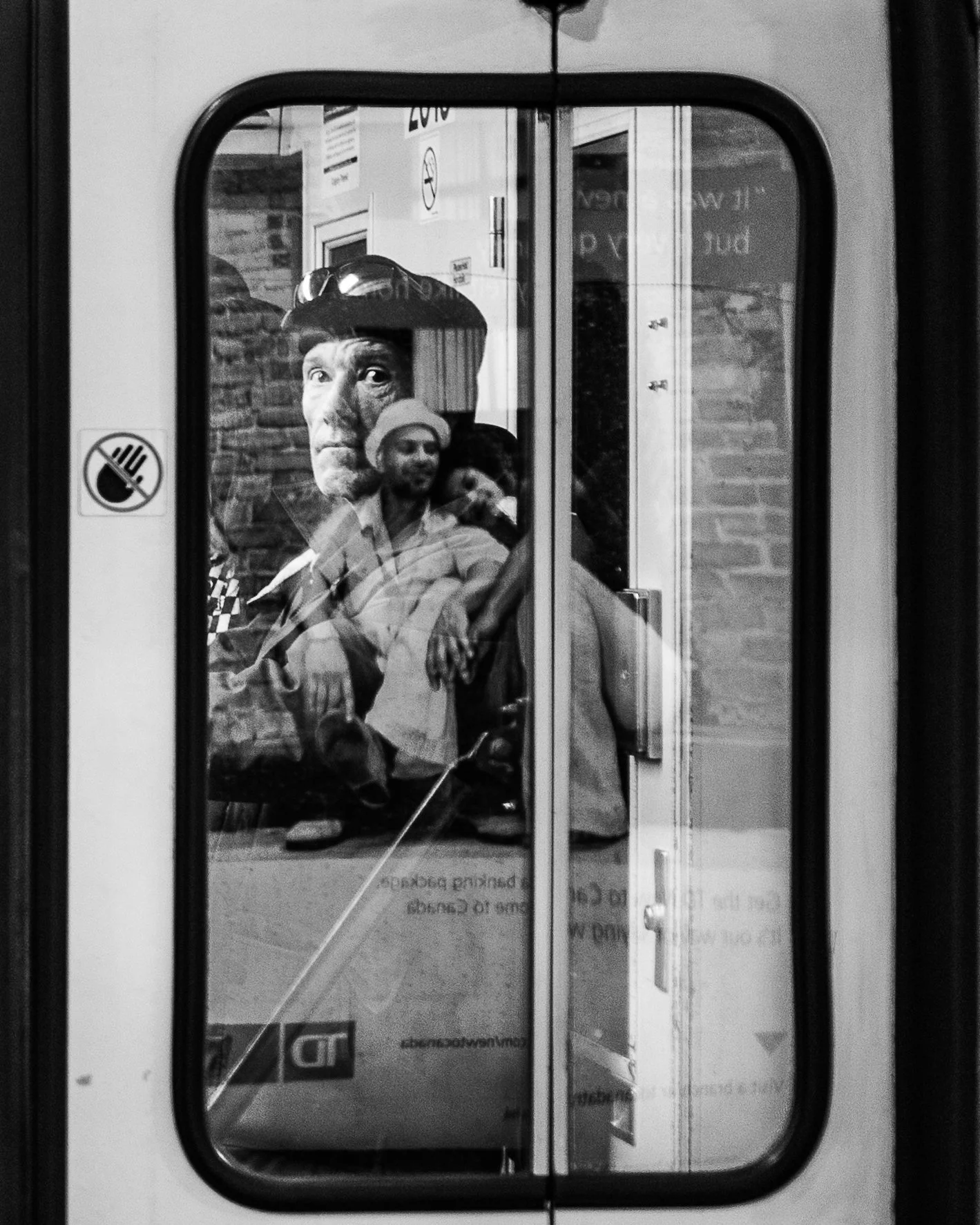
Silence is often described as something imposed.
People say they are silenced by institutions, governments, the culture, and by consequences. Sometimes that is true. More often, my view is that silence is chosen. Not out of fear alone, but also out of calculation.
Staying quiet preserves comfort and avoids rocking the boat. It protects reputation. It avoids being misunderstood in environments that punish ambiguity. Those are rational incentives. But rational does not mean neutral.
Over the last few years, many people have learned to treat silence, or even a slight nod in agreement, as moral cover. If speaking carries risk, then not speaking feels blameless. If the environment is hostile, withdrawal feels justified.
Understanding pressure is not the same as being absolved by it. Silence buys distance, not innocence. This distinction is important because silence is not passive. It shapes outcomes.
This post is not about sitting on a high horse and pointing fingers at a culture ridden by silence. This is, in many ways, my own self-reflection. Years of beating myself up for not responding to LinkedIn posts that I strongly disagreed with, or not leaving my thoughts on social issues, because it was safer to remain neutral than publicly stake my position. I have even ‘liked’ certain posts or comments only to ‘unlike’ them a few seconds later, when it hits me that the ‘like’ will show up on my connections' notifications.
At work, silence lowers standards. People notice inefficiency, incompetence, or obvious flaws and choose not to correct them publicly. Meetings end with agreements that don’t exist. Problems surface later, larger, and harder to fix. When failure inadvertently arrives, folks claim they saw it coming.
In politics, silence creates surprise. Public consensus looks stronger than it is because dissent retreats from view. Votes become private expressions rather than public positions. When results contradict the narrative, the reaction is disbelief.
In communities, silence hardens patterns. Misbehaviour that is noticed but not named tends to repeat. Enforcement becomes selective. Eventually, the intervention feels abrupt, even unfair, because the quiet tolerance that preceded it was mistaken for approval.
In each case, silence feels safe in the moment. The cost shows up later, distributed across people who may not have had the option to stay quiet.
It is tempting to describe oneself as trapped by incentives, as though pressure removes choice entirely. But most people in these situations are not powerless. They are cautious. They are strategic. They are managing downside. That is agency.
Agency does not disappear because choices are constrained.
The uncomfortable truth is that when we remain silent, we are not victims of the system. We become part of it. We are responding intelligently to the rules as they exist. But participation carries responsibility, even when it is quiet.
This does not mean everyone must speak loudly or constantly. Silence can be prudent. Timing matters. Context matters. Some battles are not worth fighting publicly or fighting at all. But silence cannot be treated as a moral blank space. Choosing not to speak is still a choice. And choices have effects.
At some point, every person who stays quiet has to decide what they are willing to own. Not what they oppose privately. Not what they complain about in trusted circles. But what outcomes are they prepared to accept as the price of discretion?
Silence protects us from immediate cost but not from consequence.