Why the Silent Minority Is Growing, Not Shrinking
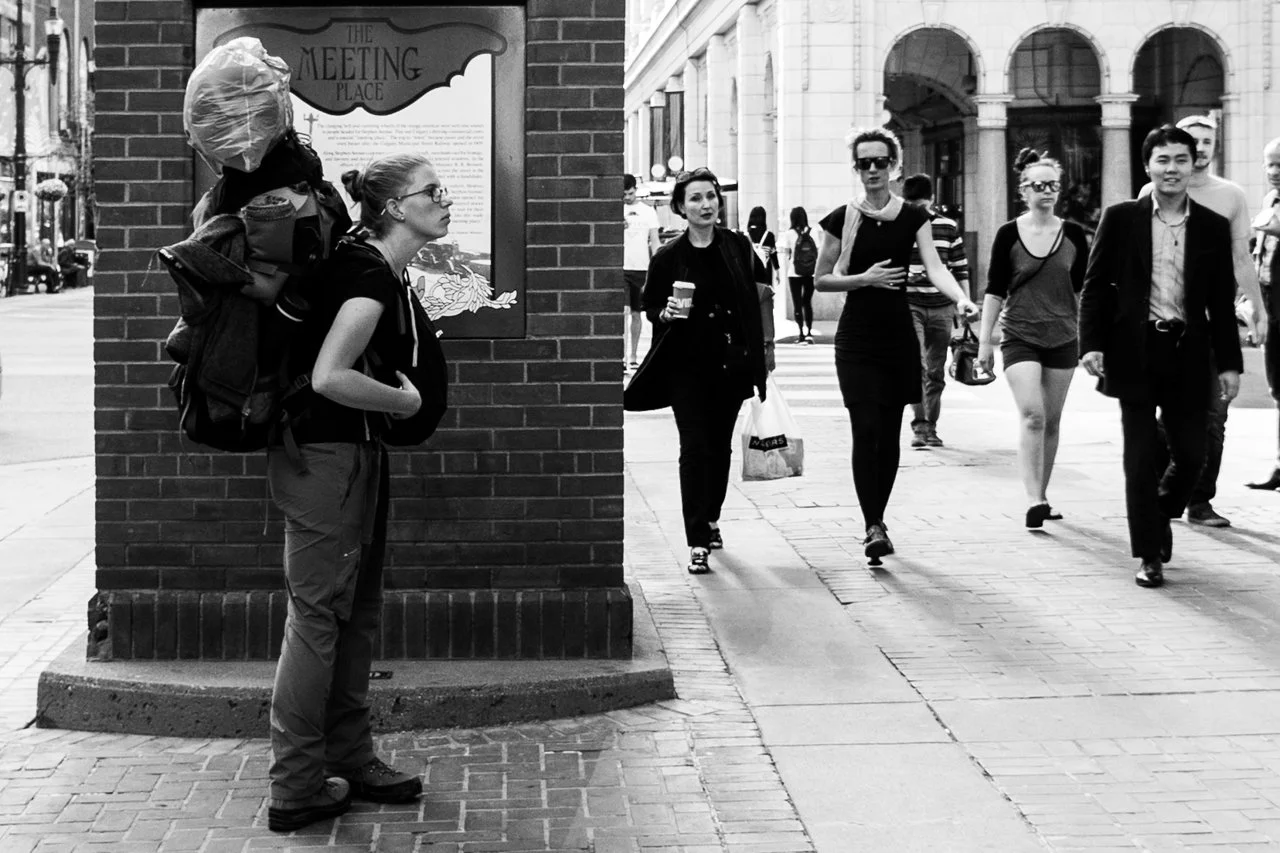
Silence is often mistaken for agreement.
When enough people stop speaking, it’s easy to assume consensus. Polling institutions speak confidently. Narratives harden. Dissent appears marginal.
Then an election delivers a result few admit expecting or a scandal breaks that everyone claims to have suspected. The surprise is usually framed as ignorance. “How did we not see this coming?”
A better question is why so many people learned that speaking plainly carries more risk than staying quiet.
In recent years, silence has shifted from apathy to strategy. Opinions are no longer weighed on substance first. They are filtered through moral sorting. Some views signal decency. Others trigger suspicion. The cost of being misunderstood has risen, so people adapt. They stop testing ideas in public. They vote privately.
This is clear in US elections. Candidates dismissed as unacceptable outperform expectations. Analysts scramble. The simpler explanation is rarely entertained: many people learned not to advertise views that fall outside the approved narrative. This dynamic does not stop at politics; it leaks into ordinary interactions.
Last week, while crossing the US border, I had an exchange that stuck with me. I hold a US work visa and a Nexus pass. I have crossed every week for the last 6 months, and every time, I am asked the same question. I give the same answer, and they wave me in.
This time, the officer stepped out of his booth and looked into the back of my car through my tinted windows. It was routine. Random checks happen.
What followed was less routine. I didn’t ask any questions, but he explained himself. He wasn’t accusing me of anything. He was protecting me, he said. Sometimes people are forced to smuggle others at gunpoint. He wanted to be sure that wasn’t happening.
Then he glanced at my documents. Asked if mine was a Nigerian name, then offered a few words in Swahili, including Hakuna Matata. For the record, Swahili is not spoken in Nigeria. It isn’t spoken anywhere in West Africa. I didn't correct him. I understood.
Accuracy was secondary. Reassurance was the goal. He wasn’t responding to my behaviour. He was responding to the possibility that routine enforcement, applied to someone who looks like me, might be misread. Authority was being exercised carefully, padded with explanation.
Nothing went wrong. I drove on.
But the interaction captured something subtle. A society where even doing one’s job requires narrative management. Where normal scrutiny feels risky unless softened. Where silence and over-explanation grow from the same incentive.
The pattern appears elsewhere, sometimes with higher stakes.
In Minneapolis, fraud within certain community programs tied to pandemic food aid was widely rumored long before it was openly addressed, despite federal charges later detailing one of the largest COVID-related fraud schemes in the country. Journalists hesitated. Officials delayed. Criticism felt dangerous. When enforcement finally came, the reaction wasn’t relief. It was a shock that anyone had acted at all.
This wasn’t compassion. It was avoidance. When scrutiny becomes uneven, trust erodes. They stop correcting obvious falsehoods. They learn that some conversations carry more downside than upside.
Silence grows.
The silent minority is not a movement or a bloc. It is a large number of people who still think, judge, and decide, but have learned to do so quietly. Discretion replaces honesty in public. Candor is reserved for private spaces and voting booths.
The irony is that this silence is often mistaken for progress. Less conflict, more harmony. Until reality intrudes and everyone asks where the dissent was. It was there. It simply wasn’t rewarded.
The question worth asking is not why people are disengaged. It’s what kind of system teaches them that speaking plainly is reckless?
What happens when silence becomes the rational choice?