FUNEH
 
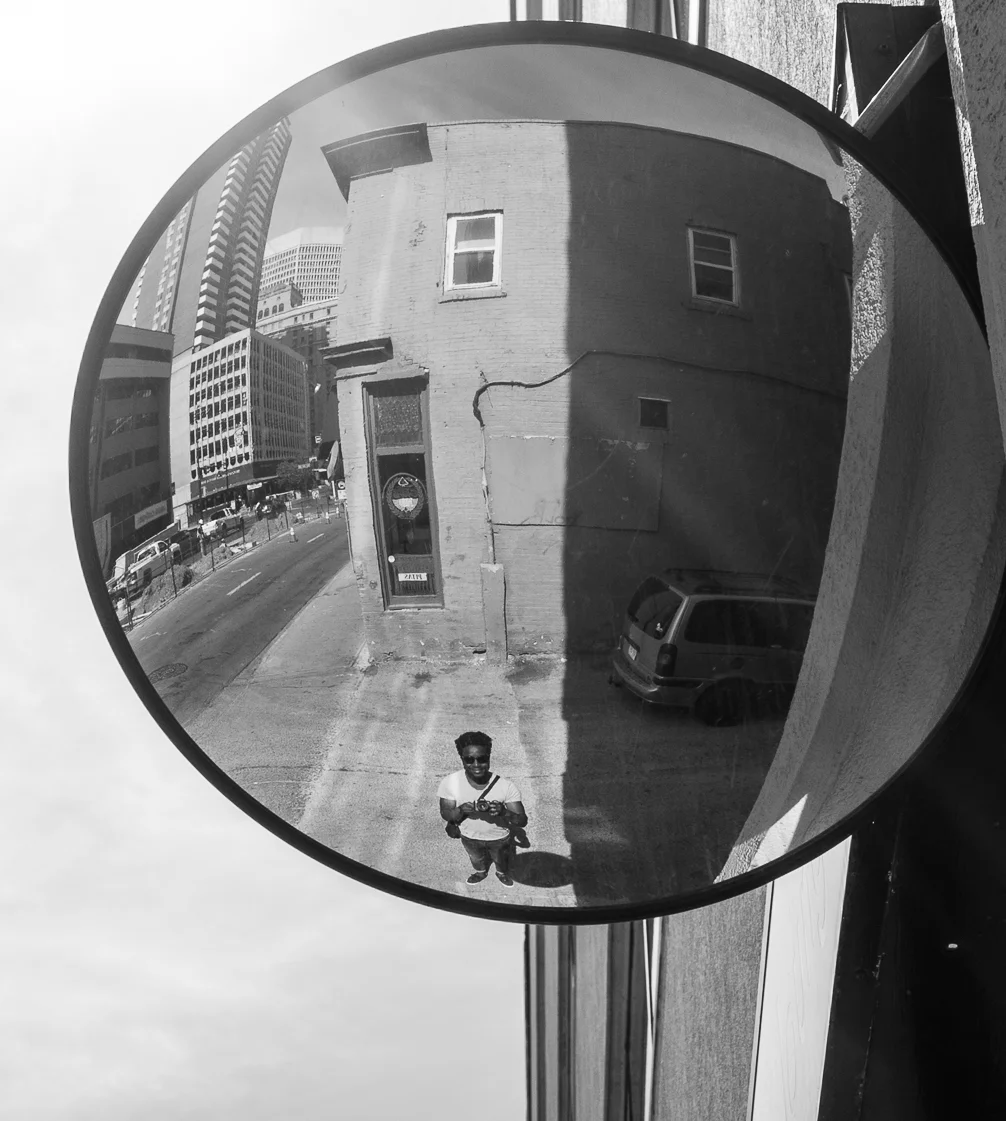
A selfie.jpg
 

August 23, 2021 @ 7:42pm

Street Photography

Who?

I tend to pick up a new interest, focus on it for a while, and then move into other forms of creativity. I have been a writer, an app developer, an interior decorator, now mostly a photographer. It's been 7 years since I started making photographs everyday. Hence, the one interest I have been most consistent with. Maybe this is it! I will photograph anything, but I am most drawn to photos of people.

The moment I clock out of my engineering job, I transform into an artist.

Where?

Anywhere. I usually prefer big cities or at least the downtown core. More people usually means more ‘action’ in any given radius. I learned the importance of crafting my technique depending on the amount of action going on.

Most of the photographs I have taken have been on Stephen’s Ave in Calgary’s downtown core. It is a gorgeous street (in the day or night).  It is also one of a few streets in the city where I can run into a pedestrian without having to walk for more than 30secs.


What?

All my street photos are candid – if required, I'd ask for permission, but only after the photo is on my memory card.

I never know in advance what I’m going to shoot. Not having a preconceived idea has been a part of my process. So when I’m out shooting, I react to whatever calls my attention. When I try to create specific images, I find that it stalls my creativity and the process does not feel as exciting or spontaneous. Although I always capture what I see, my photos are not always what they appear (like any street photo). I like to be able to turn a scene into a different reality.

Over time, I am noticing unplanned themes emerge from my work.


Why?

I love the unpredictability of street photography - it allows for freedom, creativity and imagination. In a world of tech and constant distraction, street photography makes me alert to situations I would usually ignore. Other reasons I love street photography:

  1. It makes me happy and free – I am able to forget about myself and just be out there.

  2. It makes me feel a special connection to the place I'm shooting. I feel myself soaking up more of the essence of the place, the people and the culture than if I just walked through.

  3. My interest in people drives me to grab my camera. For one, it opens up more opportunities to meet new people. It also allows me to observe the social relationship between friends and strangers.

  4. I am addicted to photography.

  5. It is satisfying to capture a moment where a viewer connects and the photo means something to them.

You can also reach Funeh for events, portrait and interior photographs.

Videography

I made my first documentary - Uncaptured in 2018 which went on to be the Official Selection for a number of Film Festivals and won The Best Documentary at the 2018 Edmonton Short Film Festival.

Since then, I have enjoyed making short documentaries and working on my technique for making videos.
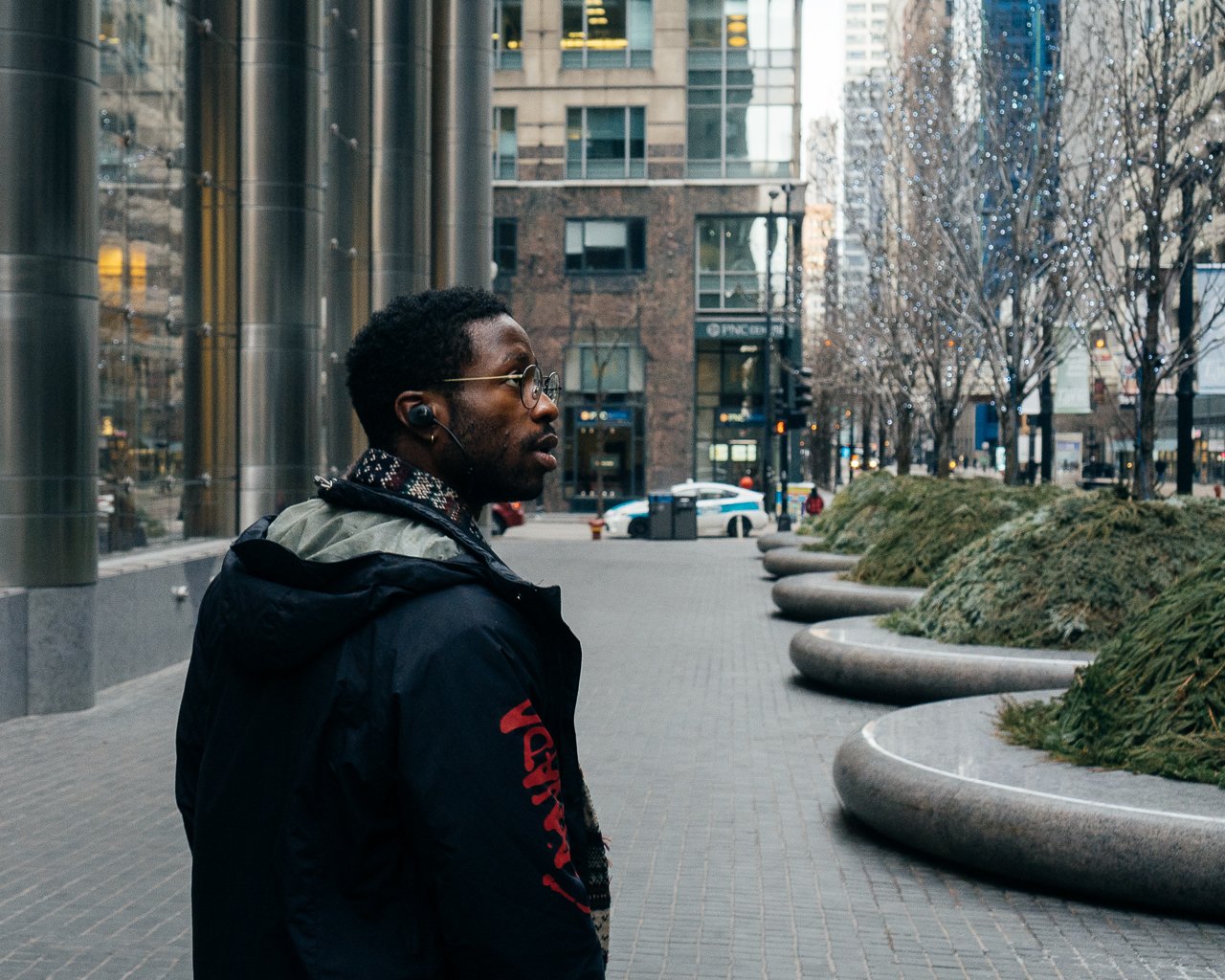


minorities; black man; silent

Photo by Funeh


about silent minority

I got interested in street photography because it allowed me to observe human behaviour and capture interactions among each other and with their environments. Between 2020 and 2022, when I started the Silent Minority, a fair amount of available street photography focused on protests. Protests against police brutality. Protests for and against vaccine mandates. Protests against government power, foreign oppression, and social injustice.

What stood out was not the cause. It was the certainty. Each protest split people cleanly into camps. Supporters and detractors. Right side and wrong side. Even private conversations with friends and family carried an unspoken demand for allegiance.

More striking was how consistently mainstream institutions aligned themselves with one side of each conflict. Media, tech platforms, government agencies, and workplaces. That position was framed as informed, tolerant, and virtuous. Since these folks can speak freely, that view is easily marketed as the side of the majority. The other position was reduced to ignorance or malice. In that environment, silence became the safest option for anyone whose views didn’t align cleanly with the approved narrative.

The Silent Minority refers to that group. I write as one of them.

These are people who choose not to speak publicly, not because they lack opinions, but because expressing them carries social, professional, or relational cost. Silence is not apathy. It is calculation.

Minority here most often refers to visible minorities, but not exclusively. It also includes minorities of opinion. Minorities within dominant narratives.

In North America, visible minorities are frequently treated as authorities on issues tied to the identity they are seen to represent. A Black person’s lived experience, for example, is often positioned as the final word in any race-related discussion, overriding analysis, comparison, or dissent. This dynamic allows the loudest voices within a group to define the narrative for everyone else who shares that label.

The same pattern appears in politics. Certain views become socially acceptable while others are driven underground. Public consensus forms quickly, not because agreement is universal, but because dissent carries cost. Support for unfashionable candidates goes unspoken until the privacy of a ballot box reveals a result that many claim to be shocked by.

These are different expressions of the same phenomenon. When narratives harden, silence becomes common. And those who remain silent are often mistaken for being absent.

As an immigrant from Nigeria, whose views often clash with what is expected of someone who looks like me. Friends and acquaintances have described my positions as inconsistent with my background. That reaction is understandable. We are repeatedly told that people within the same demographic category think, vote, and interpret the world in the same way.

I reject that premise.

This blog is a space to examine race, culture, politics, human psychology, and religion without flattening them into slogans. I am less interested in signalling virtue, rather in understanding incentives. Less interested in outrage than in tradeoffs. Less interested in winning arguments than in asking better questions.

Silent Minority is not a manifesto. It is a public record of thinking that I previously kept private. An attempt to replace journal entries and closed-door conversations with careful, open expression.

I don’t consider myself a writer. Yet.

But I do take ideas seriously. And I welcome disagreement from anyone willing to engage honestly and without caricature. Challenge my views. I intend to return the favor.

Thank you for reading. I’ll work to make your time here worth it.


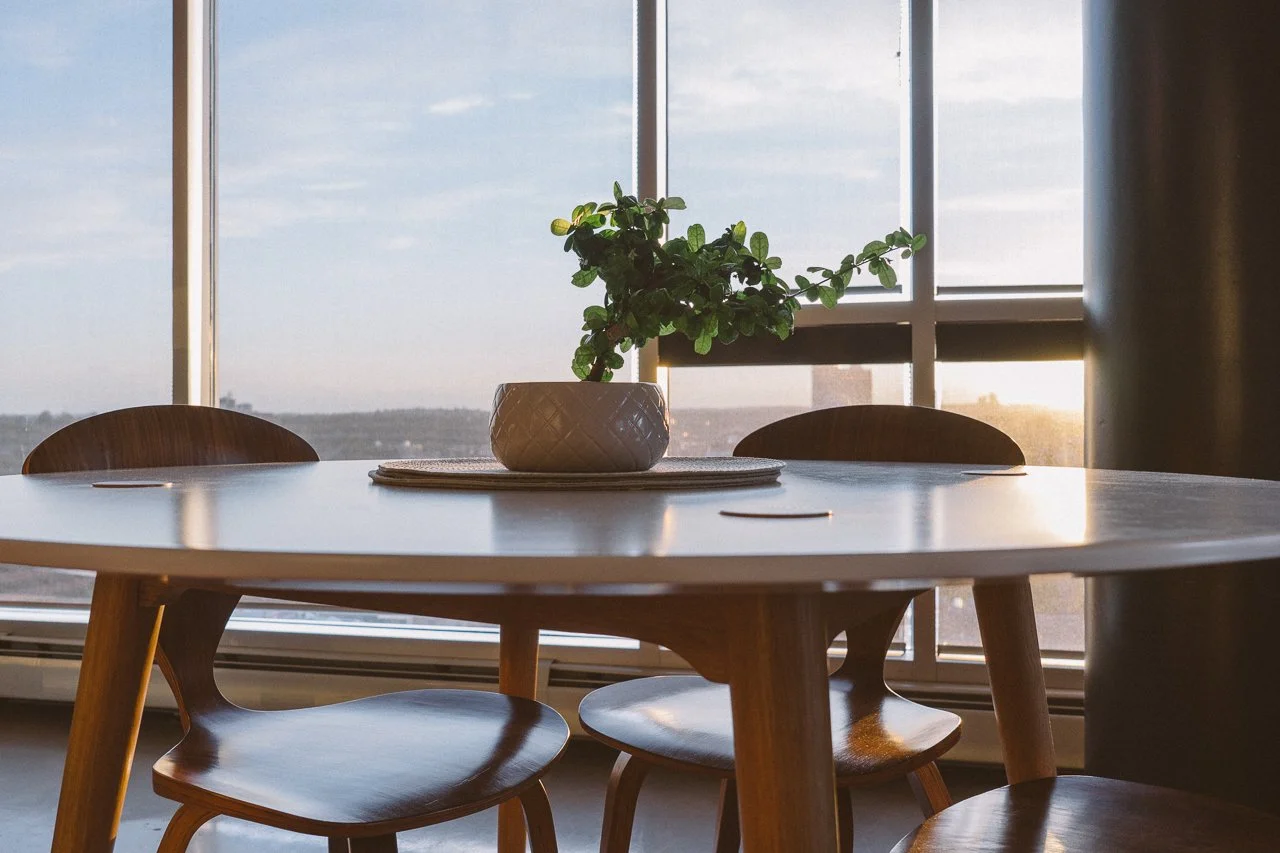
interior design; interior; dining; home; man; tidy gentleman

Photo by Funeh


about the tidy gentleman

This is a home lifestyle blog for men offering practical, personal tips and inspiration to help you live your best life at home. Our content covers home design, tidying, food, health, relationships and hosting.

The Tidy Gentleman is for the man who desires to be the best he can, live in the best home he can and be the best host he can be.


For bookings and inquiries, please email hi@funeh.ca OR just leave a message below and a member of the team will connect with you within a few hours